Rates
Babysitting rates in Australia: what sitters charge in 2026
What babysitters in Sydney and Melbourne ask per hour, counted from 281 listed rates, the legal minimum in every state, and what moves a rate.

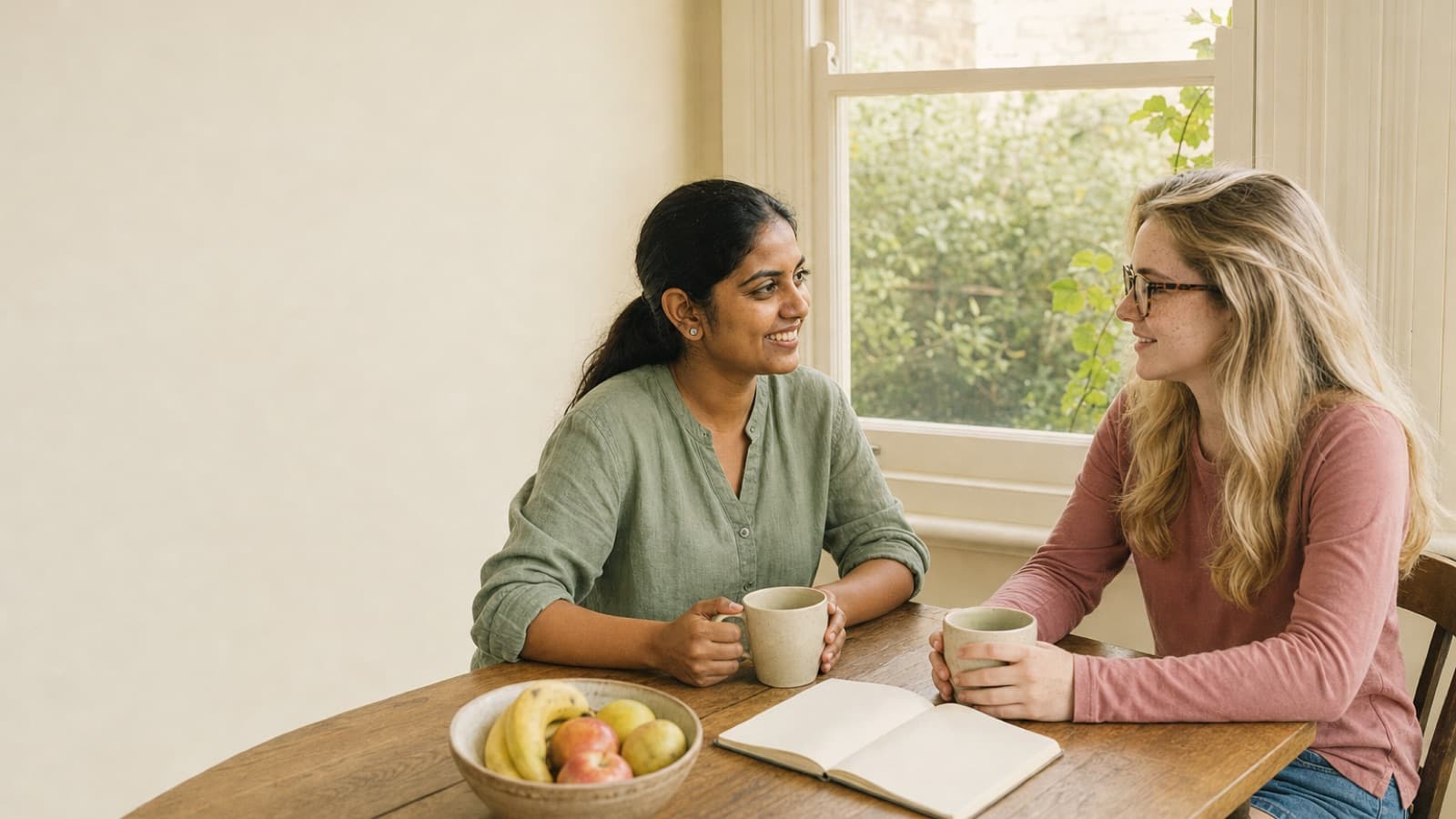
If you're working out what to pay, babysitters in Sydney and Melbourne ask $25 to $40 an hour for casual work arranged privately. Sydney runs a bit higher: half its sitters start between $30 and $35 per hour. I treat those asking rates as where the conversation starts, and no sitter is bound by them. Anywhere in Australia, though, a legal minimum kicks in once you're employing someone rather than booking them for a night, and in the evening it's above most of those asking numbers.
Sydney babysitting rates
31 seconds. Every number in it comes from this guide, and it works with the sound off.
What babysitters charge in Sydney and Melbourne
A sitter here sets a range: a starting rate and a top. On 27 September 2026, 281 sitters in Greater Sydney and Greater Melbourne had set one.
Greater Sydney
Median start: $32 an hour
- 217 sitters with a rate
- Half start between $30 and $35
- The top of the range: $45 at the median
Greater Melbourne
Median start: $30 an hour
- 64 sitters with a rate
- Half start between $25 and $35
- The top of the range: $40 at the median
These are asking rates, not what anyone was paid, and the dollar figures are medians: the sitter in the middle, so a few outliers at either end don't drag them around. Where a sitter lands in that spread comes down to experience and the job:
$25–30
an hour
Starting out
A student or someone early on. One or two school-aged children, a straightforward evening after the kids are in bed.
$30–35
an hour
A few years in
Someone with real experience behind them, or more children, younger children, or a bedtime routine to run rather than supervise.
$35–40+
an hour
The harder jobs
Qualifications, newborn experience, additional needs experience, or unsociable hours.
The legal minimum, in every state
Once you're employing a sitter rather than booking them for one night, there's a legal minimum. Fair Work sets it in the Miscellaneous Award, so Perth and Brisbane work from the same numbers as Sydney.
From 1 July 2026, the minimum for an adult casual is $32.18 an hour from 7am to 7pm on a weekday, $37.32 after 7pm or on a Saturday, $45.05 on a Sunday and $64.35 on a public holiday, and each goes up a little after three months. Most babysitting is in the evenings and on Saturdays, so $37.32 is the figure that counts, and most of the asking rates above sit under it. That surprised me when I first put them side by side.
One Saturday night usually isn't employment, so most families never hit the question. It matters when the same person does your Wednesdays every week: then an evening starts at $37.32, not $30, and tax and super change too. I'd ask the ATO or an accountant about those.
What moves the rate
One seven-year-old and three kids under five are different jobs. Some sitters add a bit for each extra child, others quote one higher rate for the lot.
What the job involves matters as much as how long it runs. Two kids already asleep isn't the same evening as dinner, the bath and bedtime. My toddler negotiates bedtime like a union rep, and I'd pay extra for a sitter who wins. If I want anything done around the house, I say so when we agree the rate, not when they walk in.
Early childhood study, a current first aid certificate, newborn experience and additional needs experience all earn more, and very late finishes, public holidays and New Year's Eve are commonly charged at a premium. Overnights are priced differently, usually a flat sum for the sleeping hours, and have their own guide to overnight babysitting rates.
A sitter who drives is bringing a licence, a car and fuel, plus more responsibility, and that shows up in the rate or as a travel amount. Plenty of sitters set a minimum booking of two or three hours. The two-hour one has the award behind it: a casual employee is paid for at least two consecutive hours.
Babysitting rates across NSW, per hour
Across NSW, sitters in Greater Sydney start from $32 an hour at the median. Outside Greater Sydney, too few have set a rate here to publish a band for the rest of the state. In regional towns the sitter is often someone the family already knows, on a rate that hasn't moved in years. The legal floor doesn't change with the postcode, though: an evening employee in Newcastle or Wagga Wagga starts at the same $37.32 as one in Bondi.
Newcastle babysitters and Wollongong babysitters work like Sydney babysitters, nearest sitters first.
Babysitting rates in Melbourne and Victoria
A babysitter in Melbourne starts at $30 an hour at the median, under Sydney's $32. A quarter of Melbourne sitters start at $25 or less, where in Sydney it's fewer than one in five. Part of that is age: 28 of the 64 Melbourne sitters with a rate are under 21, and their median start is $26.50.
Babysitters in Melbourne shows each sitter's rate, nearest first. The guide to finding a babysitter in Melbourne covers the Victorian Working with Children Check, which differs from the NSW one. Date night ideas in Melbourne prices the babysitter beside each night out at that $30.
How much to pay a babysitter by age: 13, 15, 16 or 20
For a 16-year-old, I'd start at $25 to $30 an hour and expect it to move with experience. Sitters under 21 in Greater Sydney, 20-year-olds included, start from $30 at the median (65 of them). A 13- or 15-year-old can't list here, since sixteen is the youngest, so in practice it's a neighbour's teenager paid what you agree.
From 21 it climbs: the 110 sitters aged 21 to 29 start from $35, and so do the 26 aged 30 and over, half of whom start between $35 and $40.
The award scales with age too. Under clause 15.4 of the Miscellaneous Award, a 16-year-old employee gets 47.3% of the adult rate, rising each birthday to 97.7% at 20, with adult rates from 21 on Fair Work's junior pay rates page. A 13-, 14- or 15-year-old employee gets 36.8%. At that age I'd be asking whether they should be babysitting yet, and how old you have to be to babysit goes age by age.
Whoever's minding my two after they've gone down has the same evening at 16 as at 26, though, and a 16-year-old can be ahead of a 22-year-old on experience, first aid or driving. Babysitting jobs for teens covers the rest of hiring one, and whatever their age, I ask about their Working With Children Check in NSW.
Agree the rate before the booking, in writing
Talking money with someone you're about to leave your kids with feels a bit awkward, so I get it done in one message before the first booking:
One message settles all of it
- The hourly rate, and whether there is a minimum number of hours
- The expected start and finish, and what happens if you are late back
- How many children and their ages
- Anything beyond supervision: meals, bath, bedtime, pets, driving
- How and when you will pay
Writing it down takes two minutes and saves you both doing sums at 11pm in a hallway. I learned that at our front door, adding up an hour we'd never talked about. Payment is usually cash or bank transfer on the night, between the two of you.
If you are the babysitter
Put a rate on your profile. Parents can filter by it, and I do: when I'm scrolling at night once the baby's finally down, a profile with no rate is one more question to send, and I usually move on. What to charge for babysitting covers landing on a number and raising it later.
Get verified too. It's free and takes about five minutes, and once AusBabysitters has checked your ID and WWCC status, your profile carries a badge. Parents can filter to verified profiles only.
Where these numbers come from
The asking rates were counted from AusBabysitters profiles on 27 September 2026: every active sitter in Greater Sydney or Greater Melbourne with a rate set, minus any group of fewer than 20 sitters. We don't take payments, so we never see a final figure, and we'd rather say so than call an asking rate an average wage.
We recount at each update. The bands, and the broader $25 to $40, are our reading of those rates and of what sitters write about their own work.
The award figures are Fair Work's, current from 1 July 2026, and each links to its source page. They change every July, so after the next annual wage review take them from those pages, not this one. For what sitters near you ask today, profile by profile, start from the suburbs index.